
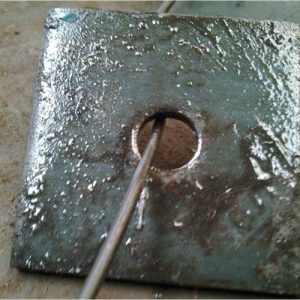
Surface Cleaned of Coarse Contamination
The chemicals used in galvanizing plants cannot remove coarse contamination from the surface, so parts must be cleaned of it beforehand. This includes, for example, paint and varnish, heavy oil and grease contamination, rust and mill scale, as well as stickers, labels, welding slag and welding residue.
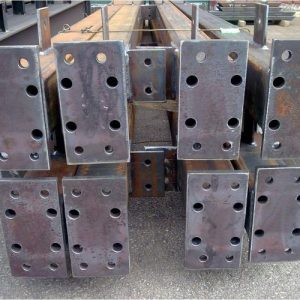
Vent and Drain Openings in Hollow Sections
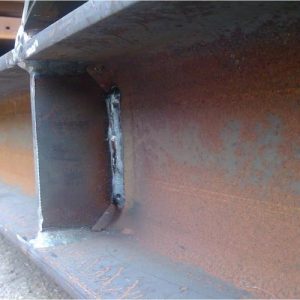
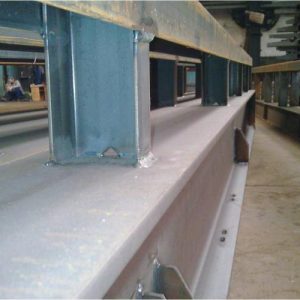
During hot-dip galvanizing, structures receive surface protection both inside and out. It is therefore very important that, during immersion, the zinc's penetration into the interior of the structure and the escape of air are both fully ensured. Equally important is the draining of zinc from the inside of the steel parts when lifted out of the bath. Accordingly, these openings must be positioned at the highest and lowest points of the steel items.
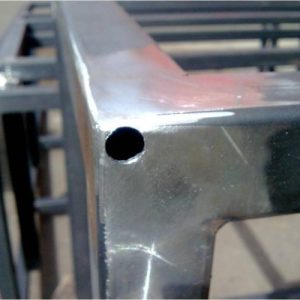
Corner Notches
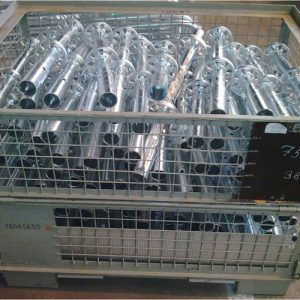
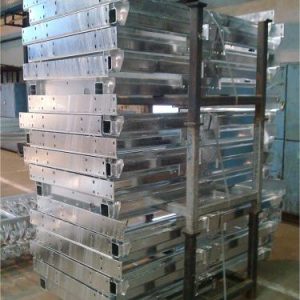
Even workpieces made of open sections can be constructed in a way that prevents zinc from draining out of the structure when lifted from the galvanizing bath. That's why braces and side connecting supports must also be opened up with notches or drilled holes, so that inlet and outlet openings are ensured.
Galvanizing-Friendly Fabrication
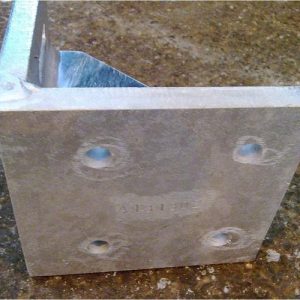
It is also advisable to pay attention to a few things already during the fabrication of steel structures, such as avoiding overlaps, gaps and dead corners or angles. Where overlaps are unavoidable, ventilation must be ensured. The correct positioning of vent and drain openings can help with proper suspension. The steel structure must have enough suspension points to allow for vertical hanging.
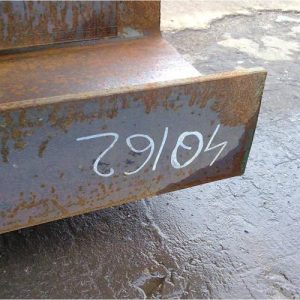
Component Marking for Galvanizing – If Required
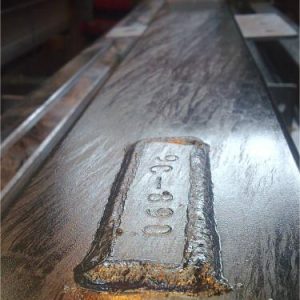
Surface marking with various marker pens is not an option. Numbers are stamped 1–2 mm deep into the base material, or attached to properly mounted metal plates, to ensure simple identification after galvanizing.